![[Odoo case study] Prosound Communications Inc. (Los Angeles - instrument manufacture and sales), Akio Horiba](/web/image/blog.post/28/author_avatar/%5BOdoo%20case%20study%5D%20Prosound%20Communications%20Inc.%20%28Los%20Angeles%20-%20instrument%20manufacture%20and%20sales%29%2C%20Akio%20Horiba?unique=0b38c41)
Horiba-san, founder and CEO of Prosound Communications Inc. (PCI), which makes and sells high-end musical instruments, told us about their experience of adopting Odoo.
Scope: Sales (including the link to the e-commerce site), Purchase, Manufacturing, Inventory, Accounting (financial and analytic), Expenses
Version: 7.0
Users: around 20
Sites: United States (live January 2014), Taiwan (live September 2015)

Tell us about your company
In Los Angeles we make and sell high-end professional instruments — electric guitars — and related products under the Xotic California brand. We were founded in 2000, so this is our sixteenth year.
Besides the United States we have subsidiaries in Japan and Taiwan. In Japan we import and sell other brands for the Japanese market alongside our own products, and manufacture some of them there. Taiwan handles sourcing of production materials and part of the manufacturing process.

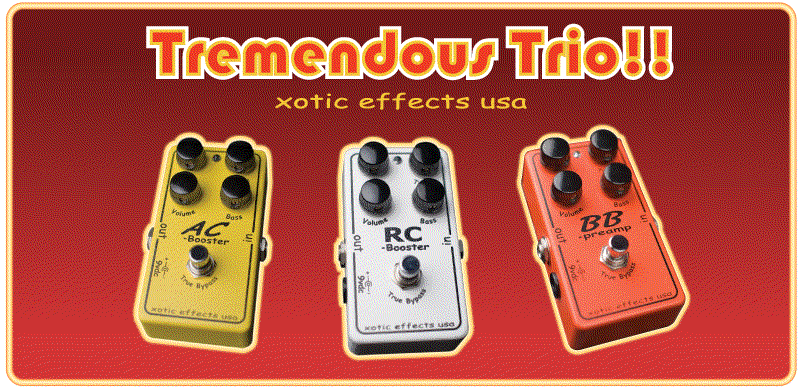

Note: Xotic's story so far, in pursuit of a sound professionals are happy with, is here.
Note: Xotic's Facebook page is here.
What led you to choose Odoo?
We used to handle production, stock, sales and accounting across a mix of systems — accounting software, stock control software, Excel and others. And fundamentally I ran all of it myself, as the owner.
As the range and volume of products grew and the company took on more staff, it became difficult for me to manage and keep track of everything; the productivity of the administrative work as a whole fell, and rationalising it became urgent.
Looking into it, though, we found that adopting an ERP or similar system generally costs an enormous amount. Odoo stood out: being open source there are no licence fees, so even a small company like ours could build a system that fits how the business actually works, at low cost. So we adopted it.
What changed after you adopted Odoo?
We were able to hand production, stock, sales and accounting over to the people responsible for each, and manage all of it in Odoo alone.
Double entry of data disappeared and the productivity of the administrative work rose sharply. It also freed me, as the owner, from the burden of administration, so I can spend more time on the work of running the company, which is what I should be doing.
What was difficult about the implementation?
Everyone involved was new to a business system of this kind, so when we actually ran it a lot did not go well at first. How to use the system, and how to raise the productivity of administration by adopting it, was one round of trial and error after another.
How have you found Quartile's service?
Odoo has to be customised to match how we actually operate, and Quartile's support was a great help there.
We started by throwing requests at them freely — we would like to be able to do this, this part is awkward to use — trivial ones included. Quartile always come back with several options, with clear information on cost and lead time. They also give us all sorts of advice from the point of view of the people actually using the system, and the Odoo we originally installed keeps evolving through the exchange between Quartile and our staff.
To survive, a small company has to stay alert to changes in what customers need and change the substance of the business flexibly to match. The internal management system has to evolve just as flexibly, and having Quartile alongside makes that possible.
From Tashiro, the consultant on the project
PCI first implemented Odoo entirely with their own resources, and it was about six months after go-live that they asked us for support. That people who did not know Odoo taught themselves, built the environment and got it live is impressive in itself, and I take my hat off to Horiba-san for steering it.
Today they leave everything Odoo-related to us — server maintenance, operational support, improvements — and because they take on the role of understanding what the system can do and then telling us what they want it to do, we can move easily. It is a real help.
I will admit to some anxiety at the start about supporting across the large time difference between Asia and the United States, but in the event it has advantages: server maintenance, for instance, is easier to do during the American night. It renewed my sense that as long as the basis for communication is solid, we can support a customer wherever they are.
Incidentally, we also borrowed Horiba-san's name for the material in "Nice one, Horiba-san! — Horiba-san's Odoo experience".
[Odoo case study] Prosound Communications Inc. (Los Angeles - instrument manufacture and sales), Akio Horiba